Autonomous vehicles are poised to transform supply chains across retail, manufacturing, healthcare, and freight operations in ways that promise greater efficiency and lower costs. Industry experts highlight opportunities ranging from last-mile delivery optimization to 24/7 middle-mile operations and factory automation. This article examines eleven strategic applications where self-driving technology can deliver measurable impact, backed by insights from specialists across logistics and transportation sectors.
- Advance Hub-To-Hub Freight Via Autonomy
- Automate Line-Side Moves Inside Factories
- Integrate Fleets And Construction Project Systems
- Fortify EV Manufacturing Via Adaptive Transport
- Modernize Medical Deliveries For Compliance And Uptime
- Back Cold-Chain Grocers Via Fixed Corridors
- Scale E-Commerce Middle-Mile Via 24/7 Flow
- Focus On Last-Mile To Boost Retail
- Target Predictable Routes Powered By Data
- Expand Rural Food Markets Via Driverless Circuits
- Safeguard Aesthetics Injectables Via Monitored Transit
Advance Hub-To-Hub Freight Via Autonomy
Autonomous vehicles have real potential to reshape supply chains, but I think it’s important to separate hype from practical, near-term impact. From my vantage point as Editor-in-Chief of TorqueNews.com, covering both electric vehicles and autonomy trends for over a decade, the biggest efficiency gains will likely come first in controlled, repetitive routes rather than fully open urban environments. Long-haul freight corridors, port-to-warehouse transfers, and hub-to-hub trucking are especially promising. These are high-mileage, high-cost operations where labor shortages, fuel optimization, and scheduling inefficiencies directly affect margins. If autonomous systems can reduce downtime, optimize routing through AI-driven traffic analysis, and operate for longer continuous hours within regulatory limits, we could see measurable reductions in delivery times and operating costs.
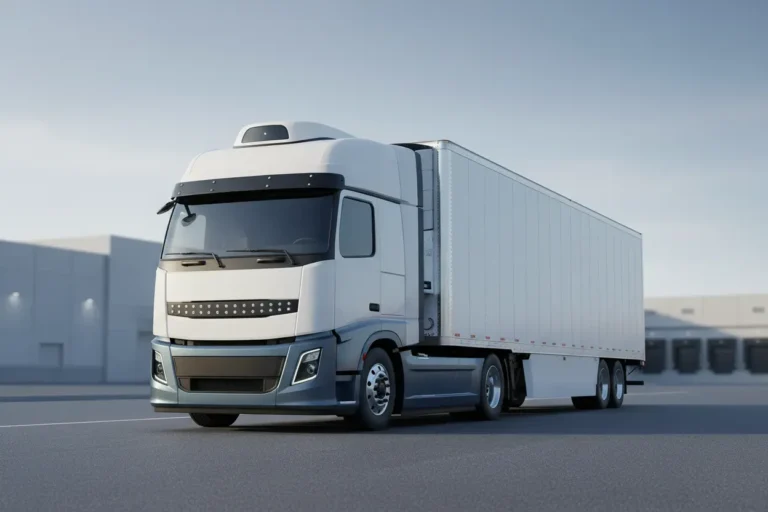
The industry I believe will benefit most—at least in the early stages—is long-haul trucking and freight logistics. The trucking sector has been grappling with driver shortages and rising insurance and labor costs for years. Autonomous Class 8 trucks operating on interstate highways between distribution hubs could significantly increase asset utilization. A truck that runs nearly 20 hours a day with remote oversight rather than being limited by driver fatigue rules changes the economics of freight. That doesn’t eliminate human roles; it shifts them toward fleet management, remote monitoring, and last-mile handoffs. In my view, the real breakthrough won’t just be autonomy—it will be the integration of electric powertrains, predictive maintenance systems, and AI-based fleet management working together.
That said, the efficiency gains will depend heavily on regulatory clarity, public trust, and infrastructure readiness. Autonomous vehicles won’t instantly fix supply chains, but in targeted applications—particularly freight corridors—they can meaningfully reduce bottlenecks and improve delivery reliability. If implemented thoughtfully, autonomy could become less about replacing drivers and more about stabilizing logistics networks that have proven fragile in recent years.

Automate Line-Side Moves Inside Factories
I’ve spent 20+ years in manufacturing operations–everything from running assembly lines to managing supply chains–and I think autonomous vehicles will transform inbound material handling at manufacturing plants. Not long-haul trucking, but the last 500 feet.
Here’s what I see daily: our manufacturing customers lose 2-3 hours per shift just managing material delivery to line-side. Forklifts waiting on operators. Tuggers sitting idle. Parts arriving at the wrong workstation because someone misread a tag. We’ve tracked facilities where 40% of their material handling labor is just moving things that autonomous vehicles could route perfectly–no miscommunication, no waiting for break coverage, no “I thought someone else was handling it.”
The real win isn’t speed–it’s predictability. When I was an operations manager, our biggest bottleneck wasn’t machine capacity, it was materials showing up late or in the wrong sequence. Autonomous material delivery inside plants solves that because it syncs directly with production schedules. Line goes down for 10 minutes? The system adjusts delivery timing automatically. No radio calls, no chasing people down.
Manufacturers already have the infrastructure–mapped facilities, established routes, controlled environments. They just need to replace the human-driven vehicles with autonomous ones, and suddenly their operators can focus on value-add work instead of playing traffic controller all day.

Integrate Fleets And Construction Project Systems
I host a podcast where I talk to C-suite executives about digital change, and autonomous vehicles keep coming up—but not in the way people expect. The real efficiency gain isn’t speed or fuel savings. It’s predictive orchestration where the vehicle becomes part of your ERP system.
I saw this when working with a manufacturing client that integrated robotic material handling with their IFS system. The robots didn’t just move materials—they received optimized instructions directly from production schedules and automatically triggered the next mission when machines hit replenishment points. They saved $1.5 million annually because the system eliminated all the manual coordination overhead. Autonomous vehicles will do the same thing but across facilities instead of within them.
The industry I’d bet on is construction materials delivery. I’ve worked with construction clients for years, and their biggest cost drain is coordinating dozens of subcontractors and material deliveries across remote job sites. When concrete shows up 45 minutes late because a driver got stuck in traffic, you’ve got crews standing around burning $10K/hour in labor costs. Autonomous fleets that communicate directly with project management systems can sequence deliveries down to the minute and reroute based on real-time site conditions.
The difference between this and other logistics improvements is that construction projects are temporary and constantly changing—you can’t optimize with static schedules. You need vehicles that adapt automatically to daily work order changes, which is exactly what connected autonomous systems enable.

Fortify EV Manufacturing Via Adaptive Transport
Autonomous vehicles will change supply chains less by speed and more by removing variability. Today, a huge share of logistics inefficiency comes from human side constraints (for example: driver fatigue, shift handoffs, hours of service limits, scheduling gaps) — and the domino effects when one delay ripples across an entire distribution network. Autonomy smooths all of that out by enabling continuous, predictable movement around the clock.
The industry I think benefits most is automotive and EV manufacturing. The supply chains are massive, global, and unforgiving on timing. An EV assembly plant depends on just-in-time delivery of battery cells, motor components, power electronics, and thousands of parts from suppliers across multiple countries. One late truck doesn’t just cause a delay — it can shut down an assembly line where every hour of downtime is enormously expensive.
Autonomous trucks and yard vehicles solve this by running 24/7 without shift changes or fatigue slowdowns. For EV battery logistics especially, that matters — lithium-ion cells need strict temperature and humidity control in transit. Combine autonomous transport with real-time IoT monitoring of cargo conditions, and manufacturers go from hoping the shipment arrives okay to knowing exactly what state it’s in at every point in the journey.
The bigger picture is resilience. The post-COVID chip shortage showed the world what happens when automotive supply chains break — millions of vehicles idled because one link in the chain failed. Autonomous fleets connected to smart logistics platforms can reroute, rebalance, and adapt in real time when disruptions hit, instead of waiting on manual coordination. For an industry trying to scale EV production while managing volatile global sourcing, that built-in adaptability isn’t optional anymore — it’s the baseline.

Modernize Medical Deliveries For Compliance And Uptime
After 17+ years managing IT infrastructure for businesses across multiple industries, I’ve seen how critical uptime and system integration are to operations. Autonomous vehicles will transform healthcare logistics—specifically medical supply chains for hospitals, dental offices, and pharmacies that we support.
Here’s what nobody talks about: HIPAA-compliant medication delivery between pharmacies and medical facilities currently relies on human couriers who need breaks, call in sick, and create gaps in time-sensitive deliveries. When a dental office runs out of anesthesia mid-procedure or a clinic needs emergency medication restocks, the 45-minute delay costs thousands in cancelled appointments. Autonomous vehicles running 24/7 routes eliminate that variability completely.
The bigger win is temperature-controlled chain-of-custody documentation. Our medical clients spend insane resources on compliance paperwork proving medications stayed within required temperature ranges during transport. Self-driving vehicles with built-in IoT sensors automatically log every second of the journey with tamper-proof data—cutting compliance overhead by hours per delivery while reducing liability exposure.
We’ve worked with medical practices where a single missed insulin delivery meant scrambling three staff members for two hours to source alternatives. Predictable autonomous routing means these facilities can operate with 30% less safety stock because delivery windows become guaranteed, freeing up capital and storage space for actual patient care.

Back Cold-Chain Grocers Via Fixed Corridors
Autonomous vehicles can compress supply chain variability by removing human fatigue, route inconsistency, and shift gaps from the equation. We expect the biggest gains when autonomy is paired with predictive demand signals and warehouse scheduling. That combination reduces empty miles and smooths dock congestion, which is where efficiency quietly dies. We also see autonomy making inventory placement more dynamic, because transport capacity becomes more reliable.
We think grocery and cold-chain distribution will benefit most, because minutes translate directly into shrink and lost margin. Autonomous middle-mile trucks running fixed highway corridors can keep temperatures stable and hand off to human drivers for dense last-mile routes. We would start with dedicated lanes between regional distribution centers, instrumented with telematics, and tie performance to on-time, in-full delivery. We also recommend building exception workflows, because weather, roadworks, and security incidents will still break perfect plans.

Scale E-Commerce Middle-Mile Via 24/7 Flow
Autonomous vehicles represent a historical change in logistics from reactive to continuous flow. The biggest benefit of this clearly is not just fuel savings, but instead the separation of velocity in the supply chain from human biological constraints. Once you remove the legally mandated rest period, you change long-haul transportation into a “rolling warehouse” capable of 24/7 operation.
In addition, it is this transition within a high-volume environment, where the idle asset cost frequently exceeds the cost of the technology itself, that makes it so important. According to research from McKinsey, complete autonomy in trucking could result in operating cost reductions of up to 45% over the long term due mainly to route optimization and maximizing vehicle up-time.
The greatest beneficiaries of this transition are the e-commerce sector and the middle-mile logistics portion of the e-commerce supply chain. As consumer demand for same-day deliveries becomes the norm, retailers’ previous labor-intensive methods of moving inventory from their regional distribution centers (RDCs) will reach an inflection point. Therefore, autonomous middle-mile fleets will give retailers a consistent and predictable flow of inventory, without the variability created by driver shortages and the cumulative costs of overtime. This consistency ultimately provides the foundation for stabilizing the unit economics of rapid delivery at scale.
Although the technology is exciting, the leadership challenge will be to incorporate autonomous flows into current warehouse management systems (WMS). This system-wide transition requires a level of operational discipline that many companies have not achieved. Remember, technology on its own will only solve the efficiency issue if the underlying data and processes to execute hand-offs are also reliable and resilient.

Focus On Last-Mile To Boost Retail
Autonomous vehicles are, without a doubt, already having an impact on supply chains and logistics—and they’re poised to create greater efficiencies as technology advances and adoption grows. In many cases, the technology is still emerging and must be proven safe before it can be deployed. From my perspective, this is the biggest hurdle in autonomous driving right now.
One area in particular that would benefit from autonomous driving is last-mile delivery systems. These deliveries are often one of the most expensive parts of the supply chain, yet the last-delivery market is only expected to continue growing in the years to come. Autonomous vehicles would benefit e-commerce and retail especially here as online retail continues to climb.
However, autonomous driving can only complement, not entirely replace, skilled human drivers. AI works well at handling repetitive, high-volume tasks that leave less room for error. But I believe we will always need experienced truck drivers to safely and efficiently drive complex routes and navigate extreme or unforeseen circumstances.

Target Predictable Routes Powered By Data
Autonomous vehicles have real potential to improve supply chain efficiency, especially in controlled, repeatable environments. The biggest near-term gains will come in last-mile and yard operations, where routes are predictable and labor constraints are most acute. In logistics, autonomy can reduce idle time, smooth capacity spikes, and improve safety, but adoption will be gradual. The winners will be industries that pair autonomy with strong data and routing systems, rather than treating it as a standalone solution.

Expand Rural Food Markets Via Driverless Circuits
I run a digital marketing agency in Alabama, and I’ve watched how delivery timing affects small businesses’ online reputations for years. When customers leave 1-star reviews because their order was late, that damages SEO rankings and kills future conversions—something autonomous vehicles will actually solve from a marketing angle.
The industry I’d bet on is agriculture and rural food distribution. Small towns here in North Alabama have massive gaps in grocery delivery because driver costs don’t justify the routes. I’ve had farm-to-table clients who can’t expand their online ordering beyond 15 miles because delivery eats all their profit. Autonomous vehicles running consistent rural routes would let them scale their digital presence without the labor wall.
What people underestimate is the marketing advantage: when a local business can promise same-day delivery to rural zip codes, their Google Ads cost-per-click drops significantly because competition is lower outside cities. One of my restaurant clients spends $800/month on ads just to compete in Cullman—if they could reliably serve three surrounding counties, that same budget would generate triple the leads.
The real shift is that small businesses could finally compete with Amazon in rural markets where drone delivery won’t work and current delivery services won’t go.

Safeguard Aesthetics Injectables Via Monitored Transit
I run a med spa franchise and coach high school football, so I’ve learned a lot about timing and coordination—whether it’s getting 60 teenagers to practice on time or managing patient appointments across multiple treatment rooms. When I think about autonomous vehicles and logistics, the industry that jumps out to me is medical aesthetics supply chain, specifically the delivery of injectable products like Botox and dermal fillers.
These products are incredibly temperature-sensitive and have strict handling requirements. Right now, our clinic orders from distributors who rely on traditional shipping with human drivers, and we’ve had delays that pushed deliveries past safe temperature windows. One late delivery last year meant we had to reschedule four patients because we couldn’t verify product integrity. Autonomous vehicles could eliminate those variables—consistent routing, no unexpected stops, and real-time monitoring that flags issues before product is compromised.
The financial impact is bigger than people realize. A single vial of some fillers costs hundreds of dollars wholesale, and if a shipment arrives compromised, the entire batch gets tossed. When you’re running a small practice in Bel Air serving clients who trust you with their face, that waste hits hard. Autonomous fleets would cut those losses and let us focus on patient care instead of chasing down shipping updates.