Autonomous vehicles promise to transform traffic flow, but whether they will actually reduce congestion remains hotly debated. This article gathers perspectives from industry experts and transportation specialists who examine the infrastructure upgrades, policy changes, and technical challenges that must be addressed. From vehicle-to-infrastructure communication to shared fleet management, the path to smoother roads requires coordinated action across multiple fronts.
- Treat Traffic As A Managed System
- Shift From Ownership To Shared Fleets
- Standardize Cross-Industry Mobility Protocols
- Link AVs To Adaptive Signals
- Organize Curbs With Timed Pickup Zones
- Eliminate Phantom Brakes And Sudden Failures
- Handle Severe Winter Conditions Reliably
- Adopt Road Pricing To Curb Demand
- Maintain Consistent Gaps And Cooperative Merges
- Upgrade Highways For V2I Support
Treat Traffic As A Managed System
In my opinion, autonomous vehicles won’t reduce traffic on their own. The technology might be efficient, yes, but congestion is driven by behavior, not just movement.
One factor I think will limit the congestion benefit is how these vehicles are deployed. If the model leans towards AVs circulating without passengers to chase demand or avoid parking, then we’ll just be adding more miles to the same crowded roads. Real congestion relief only happens if AVs are managed as a shared, coordinated system. Think fleet routing, when you manage vehicles as a coordinated group, like we do in delivery, you control how many are on the road, where they go, and when they go. Routes are planned to avoid overlap, fill capacity, and reduce downtime between jobs. Every mile has a purpose. That’s the difference.
When vehicles act independently, like private cars or uncoordinated AVs, you get gaps, backtracking, and a lot of dead time. That adds traffic on roads without adding value. I think fleet routing can solve that by treating traffic like a system instead of a free for all. It puts the vehicle where it needs to be, when it needs to be there, and nowhere else. That’s how you reduce congestion.

Shift From Ownership To Shared Fleets
I’ve been in the luxury automotive business for decades watching technology evolve from basic cruise control to the sophisticated driver-assist systems we see in Mercedes-Benz today. The biggest factor that will determine autonomous vehicles’ impact on congestion isn’t the technology itself—it’s whether people will actually give up ownership and share rides.
At Benzel-Busch, we sell a promise and an experience that’s deeply personal. Our clients don’t just want transportation; they want their Mercedes with their seat settings, their music, their personal space. If autonomous vehicles remain individually owned, you’ve just created expensive robots sitting idle 95% of the day, and congestion stays exactly the same.
The only way AVs reduce congestion is through shared fleets where utilization rates hit 60–70% instead of 5%. But after three generations in this business starting with my great-grandfather’s blacksmith shop, I can tell you people’s emotional connection to their vehicles runs deep. That’s the real barrier—not sensors or software, but whether Americans will trade ownership for efficiency.

Standardize Cross-Industry Mobility Protocols
I run a cybersecurity and infrastructure company, and one thing I learned from keeping financial services platforms up 24/7 is that predictability is everything. Autonomous vehicles could massively reduce congestion through one specific factor: coordinated routing that treats the entire road network like one giant distributed system.
When I engineer high-availability infrastructure, we use load balancing—spreading traffic across servers based on real-time capacity. AVs could do the same thing with actual roads. Instead of everyone independently choosing the “fastest” route and creating bottlenecks, a coordinated fleet could distribute vehicles across parallel routes in real time. Our monitoring systems show that even 15% better load distribution can cut peak stress by 40%.
The hindrance? Proprietary competition between manufacturers. I see this constantly in tech—companies refuse to share data or use common protocols because they want competitive advantage. If Tesla, Waymo, and GM all run separate routing algorithms optimizing only for their own vehicles, you’ll get the same congestion we have now. It’s like running three separate networks instead of one coordinated system—pure inefficiency.
The congestion win only happens if AVs share real-time positioning data across manufacturers through open protocols, the same way internet packets route through competing ISPs. Without that cooperation, it’s just expensive cruise control.

Link AVs To Adaptive Signals
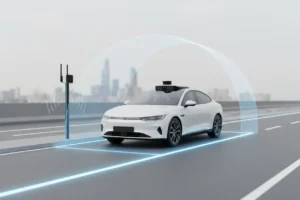
I see real potential for autonomous vehicles to reduce congestion when they are coordinated with city traffic systems. The key factor is their ability to share real-time data with adaptive signal control. In our pilot with the Idaho Transportation Department, our modular AI traffic control used real-time and historical feeds to cut vehicle delay by 23%, which shows how better coordination moves traffic more smoothly. If autonomous fleets connect to that kind of system, intersections clear faster and travel times improve. Without that integration, vehicles may drive safely but still queue at inefficient signals.

Organize Curbs With Timed Pickup Zones
I think autonomous vehicles can reduce traffic congestion, but only if cities handle pickup and drop-off zones the right way. If curb space is messy, self-driving cars will circle the block while waiting, and that adds more traffic. I have seen this same problem with service trucks when staging is not planned well. At PuroClean, we cut delays by setting clear arrival windows and a simple parking plan before the crew rolls out. That one small step keeps the job moving and protects everyone’s time. With AVs, smart curb rules and timed loading zones will be the difference between smooth flow and nonstop backups. The takeaway is that automation helps most when the system around it is organized.

Eliminate Phantom Brakes And Sudden Failures
I’ve handled crashes involving Tesla’s Autopilot, Waymo robotaxis, and other so-called “self-driving” systems, and I can tell you this: the one factor that will hinder congestion reduction is phantom braking and unpredictable system failures that actually cause traffic jams. We’ve seen cases where vehicles slam on the brakes for shadows, overpasses, or nothing at all—creating accordion effects that ripple back for miles.
In one case I worked, a Tesla’s Full Self-Driving system hit phantom brakes on I-85 during rush hour, causing a five-car pileup behind it. The logs showed the car “saw” a bridge shadow as an obstacle. That’s not reducing congestion—that’s manufacturing it with bad code.
The real problem is that these systems still require constant human monitoring, which means drivers aren’t actually free to do something productive during their commute. Level 2 systems marketed as “autonomous” create more cognitive load, not less, because you’re babysitting a computer that might panic at any moment. Until we get true Level 4 or 5 autonomy that works in rain, construction zones, and real Georgia weather, these vehicles will be congestion wildcards—not solutions.
The tech isn’t ready, but the marketing already sold the dream. That gap is where crashes happen and traffic snarls.

Handle Severe Winter Conditions Reliably
Honestly, this is way outside my wheelhouse running a landscaping company, but I think about traffic flow constantly—just in a different context. When I’m routing our crews through Greater Boston and Metro-West for spring cleanups or snow removal, efficiency is everything. One truck sitting idle in traffic costs me labor hours and delays the next three jobs.
The specific factor that’ll make or break autonomous vehicles? Weather adaptation in climates like ours. I’ve watched our most experienced plow drivers steer whiteout conditions at 3am because they can read snow depth, black ice patterns, and sudden visibility changes that no sensor handles well yet. Massachusetts winters are brutal—we get freezing rain, nor’easters, and rapid temperature swings that create unpredictable road conditions.
Last winter we had a storm where conditions changed every 20 minutes. Our drivers adjusted routes in real-time, avoiding hills that became skating rinks and roads where plows hadn’t passed. I just don’t see how autonomous systems handle those split-second judgment calls when the road you’re on suddenly isn’t the road the computer thinks it is. Until self-driving cars can operate safely in a February ice storm, they won’t reduce congestion here—they’ll just sit parked while human drivers take over.

Adopt Road Pricing To Curb Demand
We believe induced demand will be the biggest congestion threat. When travel feels cheaper in attention, people travel more. Empty re-positioning trips add a second layer of demand. Convenience is the factor that can backfire.
We have watched this pattern with rideshare growth already. Autonomy can amplify that demand without driver constraints. Congestion falls only if pricing discourages low-value trips. Without road pricing, demand grows faster than capacity growth.

Maintain Consistent Gaps And Cooperative Merges
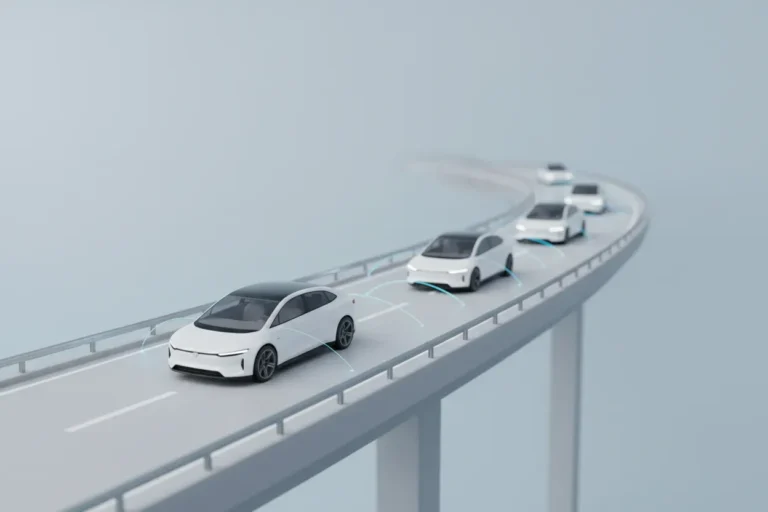
I’ve seen over 40,000 injury cases across Florida in my four decades practicing law, and honestly, autonomous vehicles scare me from a liability perspective—but they absolutely could reduce congestion if one specific factor plays out right: vehicle-to-vehicle communication that prevents the aggressive lane changes and tailgating I see cause pile-ups every week on I-275.
The factor that will make or break this? Whether autonomous systems are programmed to maintain consistent following distances and cooperate with merging traffic. Right now, human drivers create phantom traffic jams by braking unnecessarily and blocking mergers. I’ve worked cases where a single aggressive driver weaving through traffic triggered a chain reaction that led to a 6-car pile-up.
What worries me is the transition period. I’m already seeing rideshare accidents (we handle lots of Uber/Lyft cases) where drivers rely too heavily on driver-assist features and stop paying attention. When you mix fully autonomous vehicles with human drivers—especially drunk drivers, which have been my focus since losing my wife Joni to a drunk driver in the 1980s—you’ll have chaos for at least a decade.
The insurance industry will be the real wildcard here. Florida just went through massive tort reform in 2023, and insurance companies are already fighting to minimize payouts. When a Tesla on autopilot hits someone, the liability fights get incredibly complex—I can only imagine what happens when 30% of vehicles are fully autonomous and nobody agrees who’s at fault.

Upgrade Highways For V2I Support
From my perspective within the trucking industry, I would expect mixed results on traffic congestion from autonomous vehicles. In an ideal scenario in which self-driving technology performs perfectly and there is widespread adoption, it could absolutely optimize traffic flow. Autonomous vehicles can introduce consistent speeds, reduce human error, and optimize routing, all of which should make traffic proceed faster and smoother. But until the technology is there and our drivers and infrastructure are ready for autonomous driving, we won’t be able to realize those benefits.
Our highways in particular would likely need to be upgraded to be able to provide the vehicle-to-infrastructure communication systems that self-driving vehicles rely on for optimal operation. Freight movement in particular requires human judgment, especially for complex deliveries, weather conditions, and any unexpected elements on the road. While autonomous driving might be able to help in some regards, I strongly believe we will always need well-trained commercial drivers who are skilled in actual driving techniques, truck maintenance, and the latest technology.