
The autonomous vehicle (AV) landscape is rapidly evolving, marked by significant strides in technology and a parallel increase in regulatory oversight. Recent developments highlight this dual trajectory, with innovative insurance products emerging to support AV adoption while state governments implement stricter controls to ensure public safety and accountability.
A notable example of technological adaptation in the insurance sector comes from Lemonade, which has expanded its specialized Autonomous Car insurance to Indiana. This first-of-its-kind product targets Tesla owners utilizing the company’s Full Self-Driving (Supervised) technology, offering a substantial 50 percent discount on miles driven with the system engaged. Shai Wininger, President and Co-Founder of Lemonade, emphasized that Tesla’s FSD (Supervised) technology demonstrably reduces accident risk, allowing their intelligent pricing models to pass on significant savings to customers. This move reflects a growing industry recognition of the safety benefits promised by advanced driver assistance systems and represents a new frontier in insurance adaptation for autonomous vehicles.
The introduction of such tailored insurance policies underscores a broader trend: as AV technology matures, its impact on operational costs and risk assessment becomes more quantifiable. Artificial intelligence, a core component of both autonomous driving systems and Lemonade’s underwriting process, plays a critical role in this evolution. It enables sophisticated data analysis to accurately assess risk profiles, moving beyond traditional metrics to account for the unique safety characteristics of AVs. This integration of AI also connects to broader smart city initiatives, where data-driven insights are crucial for optimizing urban mobility and infrastructure, a topic often explored at events like the National Land and Transportation Technology Exhibition.
Texas Legislation Tightens AV Oversight
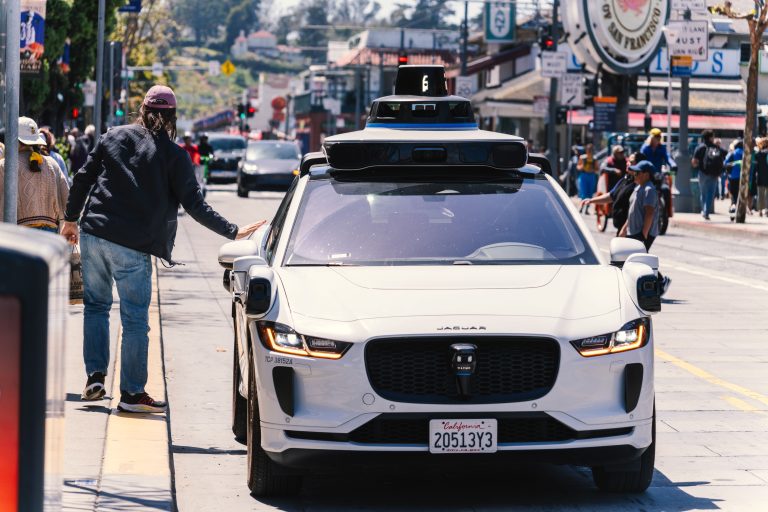
While insurance models are adapting to AV capabilities, regulatory bodies are simultaneously stepping up efforts to manage the real-world complexities and safety concerns associated with these vehicles. Texas recently enacted Senate Bill 2807, significantly tightening rules for autonomous vehicle companies operating within the state. This legislation mandates state authorization for AV operators, requires emergency response plans to be shared with law enforcement, and establishes a public portal for residents to verify operators and submit safety complaints.
The new Texas law follows a period of increasing incidents involving AVs in cities like Austin. The city’s autonomous vehicle dashboard recorded 75 incidents in 2026, including a collision, eight near misses, and seven instances of vehicles failing to follow police directions. One reported incident involved a Waymo vehicle in a T-bone collision. Austin Police Association President Michael Bullock noted that autonomous vehicles can struggle in “one-off scenarios,” referencing an incident during a mass shooting where an AV did not impede the situation but demonstrated a lack of understanding in unusual circumstances. Such events highlight the critical need for AVs to not only operate safely in routine conditions but also to respond appropriately and predictably to unforeseen emergencies and human directives.
Kara Kockelman, a transportation and engineering professor at the University of Texas at Austin, welcomed the increased oversight, emphasizing the importance of ensuring that all operators meet basic minimum standards. While emergency plans are now required, Bullock questioned their immediate impact in rapidly unfolding situations, suggesting that human judgment behind the wheel still offers an advantage in dynamic, high-stakes scenarios. The four major autonomous vehicle companies currently operating in Austin-Waymo, Zoox, AV-Ride, and Tesla-are all state-authorized, indicating that the industry is already engaging with existing regulatory frameworks, but the new law pushes for more explicit safety and accountability measures.
The contrast between Lemonade’s proactive insurance offering and Texas’s reactive regulatory measures illustrates the dynamic tension inherent in the advancement of autonomous mobility. As AV technology continues to mature, pushing boundaries in efficiency and safety, it simultaneously confronts the imperative for robust public policy that ensures responsible deployment and addresses unforeseen challenges. This ongoing interplay between innovation and regulation will define the trajectory of autonomous vehicles in the coming years, shaping their integration into our transportation infrastructure and daily lives.

The Evolving Landscape of Autonomous Mobility
The developments in both Indiana and Texas reflect the broader, complex journey of autonomous vehicles from experimental technology to mainstream integration. On one hand, companies like Lemonade are innovating to make AV ownership more financially viable, recognizing the inherent safety advantages that advanced systems can offer. This forward-thinking approach could accelerate AV adoption by making it more accessible and cost-effective for consumers. On the other hand, legislative bodies are responding to real-world operational challenges, ensuring that public safety remains paramount as these technologies are deployed at scale. This dual approach-encouraging innovation while enforcing stringent safety standards-is crucial for building public trust and ensuring the long-term success of autonomous transportation. For example, ongoing research into how automated driving systems perform in crash avoidance scenarios continues to inform both insurance risk assessments and regulatory requirements. Furthermore, states across the country are grappling with how to effectively regulate AVs, with some adopting comprehensive frameworks and others taking a more cautious, incident-driven approach, as detailed in reports by organizations like the National Conference of State Legislatures.
The rapid integration of artificial intelligence into transportation systems, from autonomous driving algorithms to predictive traffic management, presents both opportunities and challenges. While AI promises enhanced safety and efficiency, it also necessitates careful consideration of ethical implications, data security, and the ability of these systems to handle the unpredictable nature of human environments. The demand for clear policy, robust testing, and transparent reporting will only grow as more autonomous vehicles enter circulation. The insights gained from incidents, combined with the data-driven risk assessments by insurers, will collectively inform future policy decisions, shaping how cities and states approach AI integration in smart infrastructure and mobility solutions.