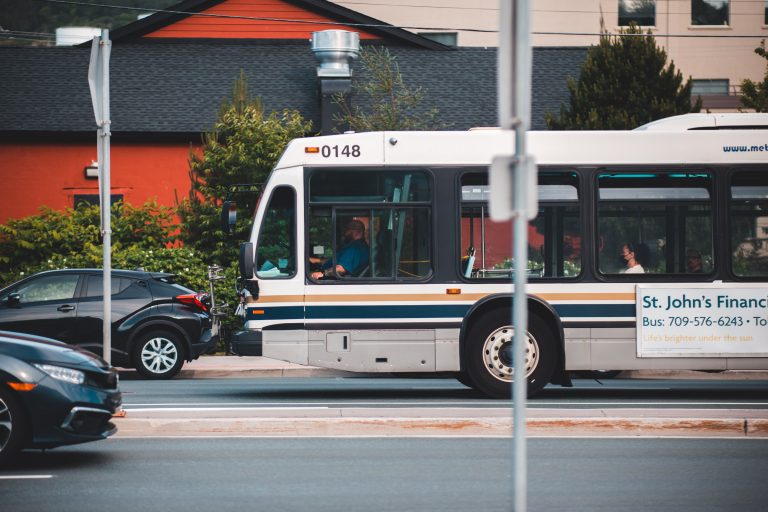
The University of Alabama’s new electric buses have a second job beyond carrying campus riders: supplying data for transportation research. University researchers and campus partners secured a federal grant for the fleet, connecting daily transit operations with studies of battery performance, charging and energy use. The project also supports work on possible future links between electric vehicles and electrical grids.
In a report by Jessica Nelson published in the Van Nuys News Press, university officials describe a service that brings researchers and transportation staff together around vehicles operating on real routes. The university was among a small number of institutions to receive federal funding typically awarded to public transit agencies, according to the report.
Dr. Bharat Balasubramanian says UA operates one of Alabama’s largest transit systems, with nearly 50 buses providing free transportation on campus and to some nearby locations. That figure refers to the university’s wider transit fleet, not a count of its new electric buses.
Balasubramanian is executive director of the Center for Advanced Vehicle Technologies and chief mobility research and development officer at the Alabama Transportation Institute. He describes the electric fleet as a way to provide transport while giving faculty and students access to practical research.
Measuring Performance on Real Routes
Through a collaboration with bus manufacturer New Flyer, researchers have access to detailed vehicle operating data. It covers battery performance, energy consumption, charging behaviour and vehicle systems. Faculty and students will use that information to investigate how the buses perform during everyday service.
Alabama’s summer conditions are one focus. Researchers will study how heat affects battery range and air-conditioning demand, alongside charging strategies, route optimisation and long-term vehicle performance. Future student projects are expected to explore ways to improve efficiency in extreme weather.
“How much energy does a bus use on real routes? What happens on extremely hot or cold days? How do we optimize range and efficiency? Those are questions that can only be answered through real-world experience,” Balasubramanian said.
For the research teams, the daily service provides the setting for those investigations. The buses are moving riders while producing operating information, allowing students and faculty to connect transportation questions with the experience of the campus teams running the system.

Investigating Connections to Energy Systems
The buses also support additional federally funded research. One area involves C-V2X, a wireless platform that lets vehicles communicate with traffic signals. Other work concerns energy systems, vehicle-to-grid technologies and campus energy management.
Researchers are exploring whether electric buses could eventually help stabilise electrical grids and integrate with renewable energy resources. Those potential applications extend the project’s scope beyond passenger transport, but remain research goals rather than demonstrated grid services.
The work links questions at different scales: how a bus uses energy on a route, how its charging is managed and how vehicles might participate in a wider energy system. The university’s account presents these as connected areas of investigation alongside the buses’ current transportation role.
Researchers and Transit Staff Work Together
Chris D’Esposito, assistant vice president of enterprise services, points to the collaboration between university researchers and the operational teams responsible for moving riders each day.
“It involves the research side and the operations side. They brought the bus into real-world operations where we’re moving students every day while researchers learn from how the technology performs,” D’Esposito said.
He says the partnership lets campus operations teams draw on expertise already at the university. It also gives students opportunities to engage directly with emerging transportation technologies and work on practical operating challenges.

Since entering service, the buses have attracted attention for their appearance and quiet operation. Balasubramanian describes a smooth ride without diesel noise and with consistent air conditioning. His longer-term ambition reaches beyond the new vehicles already carrying passengers.
“My definition of success is the day The University of Alabama operates an entirely zero-emission transit fleet,” he said. For now, the new buses combine a daily campus service with a research platform, while a fully zero-emission fleet remains the goal.