


Pittsburgh’s electric vehicle market remains sluggish compared to national adoption rates, but demand for EVs is accelerating in other parts of the country. The disparity reveals how regional economics, energy infrastructure, and consumer priorities shape EV adoption patterns, and which factors may eventually shift Pittsburgh’s market.
Pittsburgh’s traditional reliance on coal and natural gas has created a cultural and economic environment less aligned with rapid EV adoption than regions with stronger renewable energy sectors. The city’s automotive heritage and established manufacturing base, historically centered on conventional vehicles, adds another layer of inertia. Yet this regional lag does not reflect a lack of EV availability or national momentum; it reflects choices rooted in local conditions.
Where EV Demand Is Surging
Across the United States, EV sales are growing in markets where electricity infrastructure is robust, state incentives are generous, and consumer income levels support higher vehicle prices. Coastal cities, the Pacific Northwest, and regions with established charging networks report strong year-over-year EV adoption increases. These areas benefit from state rebates, tax credits, and cultural messaging that frame EVs as status and environmental commitments rather than purely practical transportation choices.
California leads national EV sales, followed by states like New York, Massachusetts, and Washington. In these markets, charging networks are denser, repair shops are more common, and used EV inventory is building. Consumers in these regions face lower barriers to ownership and stronger social signals that EV adoption is normal and achievable.
Why Pittsburgh Lags Behind
Pittsburgh’s electricity grid still draws a significant share of power from fossil fuels, which undercuts the environmental argument for switching to electric. Many consumers in the region question whether charging an EV from a coal-powered grid delivers meaningful emissions benefits compared to driving a fuel-efficient conventional car. This skepticism, whether scientifically precise or not, shapes purchasing decisions.
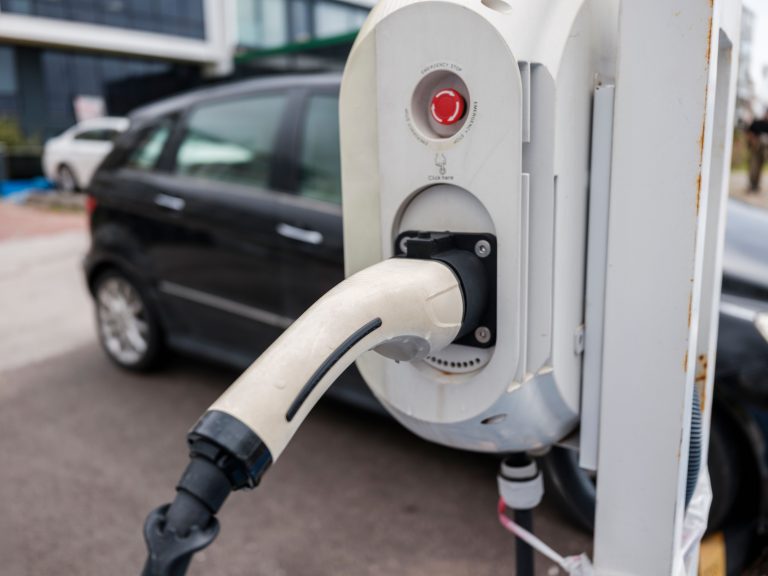
Infrastructure gaps also matter. Pittsburgh has fewer public charging stations than comparable cities on the coasts. For renters, apartment dwellers, and people without dedicated parking, charging at home remains impractical. Without public charging density, range anxiety stays real, even as battery technology improves and EV range extends.

Price remains a barrier. Used EV inventory is thinner in Pittsburgh than in California or New York, limiting affordable entry points. New EV prices remain higher than comparable gasoline vehicles, and federal tax credits do not offset the gap for many middle-income buyers.
Market Signals Point Forward
Despite current sluggishness, Pittsburgh is not immune to broader EV adoption trends. Major automakers are shifting production toward electric platforms, which means new model availability will increase. Battery costs are falling, which should gradually lower EV prices and make used EVs more accessible.
Pennsylvania’s energy grid is also changing. Renewable energy projects are expanding, and utilities are investing in grid modernization. If the state’s electricity mix shifts toward cleaner sources, the environmental case for EVs strengthens, and the consumer objection based on coal-fired charging weakens.
The timing of Pittsburgh’s EV adoption matters for local workforce and manufacturing. The region’s automotive supply chains and skilled manufacturing base could position Pittsburgh to participate in EV component production and assembly as demand grows. Waiting too long risks missing that economic opportunity.
What Comes Next
Pittsburgh’s EV market will likely track national adoption rates over the next five to ten years, driven by falling battery costs, model availability, and grid decarbonization rather than by regional marketing campaigns alone. Local policy decisions, whether Pittsburgh and Pennsylvania invest in public charging infrastructure, offer state tax incentives, or streamline permitting for charging stations, will determine whether the region leads that curve or remains behind.
The real question is not whether Pittsburgh will eventually adopt EVs at scale, but whether local leaders recognize the economic and infrastructure investments required to avoid a multistate adoption gap that deepens over time. Regions that build charging networks and support supply-chain development today will capture the jobs and industrial growth that EV adoption creates tomorrow.


