Public transportation systems serve millions of riders daily, yet many continue to face significant barriers to access and usability. This article presents twelve practical strategies to make transit more inclusive, drawing on recommendations from accessibility experts and transportation professionals. These actionable improvements range from multilingual communication tools to sensory-friendly station design, each addressing real obstacles that prevent equitable transit access.
- Install Voice Help Kiosks
- Send Clear Pre-Trip Confirmations
- Centralize Requests For Assistance
- Place Intuitive Cash-Friendly Fare Machines
- Deliver Multilingual Real-Time Updates
- Publish Consistent Pet Rules
- Build Accessible Mobile Journey Planner
- Deploy Demand-Responsive Service
- Pilot Sensory-Guided Station Improvements
- Streamline Permits For Upgrades
- Standardize Work Through Focused Trial
- Launch Preference-Savvy Rider Assistant
Install Voice Help Kiosks
Transit agencies need to kill the assumption that every rider has a smartphone with a data plan and a credit card linked to an app. That’s the single biggest equity gap I see.
I grew up watching my parents navigate public transit in Pennsylvania as immigrants with limited English. The information architecture of transit, the signage, the fare systems, the route maps, all of it was designed for people who already knew how the system worked. Fast forward to today and agencies have “solved” this by moving everything into apps. Real-time arrivals? App. Fare payment? App. Route planning? App. They patted themselves on the back for modernization while locking out the elderly, the unbanked, and anyone whose phone plan doesn’t include reliable data.
Here’s my specific suggestion: every transit agency should deploy AI-powered voice kiosks at major stops that let riders ask questions in plain language, in any language, without needing a phone or an account. “When’s the next bus to downtown?” “How do I get to the hospital from here?” “How much does it cost?” The technology exists right now. Multilingual speech-to-text, real-time translation, conversational AI. The cost of a ruggedized kiosk with an LLM backend is a fraction of what agencies spend on a single bus shelter redesign.
I think about this through the lens of what we do at Magic Hour. We built our platform because professional video creation was gatekept by expensive tools and technical skill. Transit information is gatekept the same way, by interfaces that assume digital literacy and connectivity. The fix isn’t more apps. It’s meeting people where they are, literally and technologically.
Accessibility isn’t a feature you bolt on after launch. It’s a design philosophy you start with. And the agencies that get this right won’t just serve more riders, they’ll earn the trust of communities that have been overlooked for decades.

Send Clear Pre-Trip Confirmations
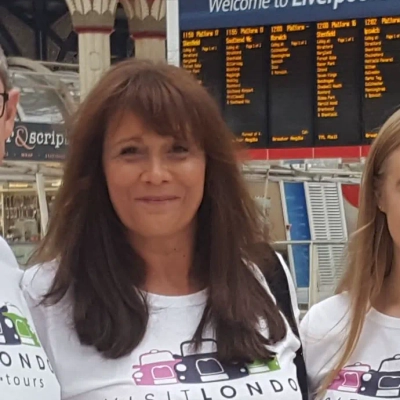
One practical action transit agencies can take is to send clear, proactive trip confirmations that include the driver or operator name, a contact phone number, and the exact boarding or meeting location. In my work running private taxi tours we use this approach and send those details before every trip so guests know exactly where to meet us. Removing that moment of uncertainty helps riders arrive relaxed and reduces missed connections and confusion. Extending the same clear confirmations to public transit, with simple accessibility notes, lets riders with mobility or sensory needs plan and request assistance when needed.
Centralize Requests For Assistance
One thing transit agencies can do to make public transportation more accessible and equitable is to simplify the way riders request and receive accommodations. I’ve seen in workforce leave and accommodation management that people often give up when the process is unclear, paperwork-heavy, or handled differently by every department. The same lesson applies to transit: a rider should not need to know the internal structure of an agency just to ask for paratransit support, elevator outage alternatives, language assistance, or help navigating a transfer. Agencies should create one clear, mobile-friendly access point for accommodation requests, service alerts, and follow-up, with plain-language instructions and human support when needed. In our work, the biggest improvements often come from reducing friction at the exact moment someone is already under stress. Equity improves when the system is designed around the rider’s real experience, not the agency’s internal workflow.

Place Intuitive Cash-Friendly Fare Machines
Automated ticketing machines make transit fairer when they are designed for the rider who is tired, lost, new to the city, or not fluent in the local language. In Tokyo, the best machines reduce pressure at the gate because you can recharge an IC card, adjust a fare, change language, and move on without needing a long conversation in a crowded station. My suggestion is simple: keep machines multilingual, cash-friendly, easy to read, and available before every gate, with staff help nearby when the machine is not enough. Accessibility is not only ramps and lifts; it is also removing small moments of confusion that make people avoid public transport.

Deliver Multilingual Real-Time Updates
One effective step transit agencies can take to make public transportation more accessible and equitable is implementing real-time multilingual communication systems. Accessibility isn’t just about physical infrastructure; it’s also about ensuring every rider can understand schedules, delays, and route changes regardless of language or ability.
From my observations, many riders—immigrants, tourists, or those with limited literacy—struggle with static signage or announcements that aren’t inclusive. By offering real-time updates through apps, station screens, and audio announcements in multiple languages, agencies can reduce confusion and empower riders to navigate independently.
For example, in one city I visited, the transit authority introduced a mobile app that provided live bus and train updates in several languages, along with visual icons for riders with limited literacy. This small change had a big impact: riders who previously relied on asking strangers for help could now plan confidently, reducing stress and improving ridership satisfaction.
The broader impact is equity. When riders feel informed and included, they are more likely to use public transit regularly, which strengthens community trust and increases ridership revenue. It also ensures vulnerable populations such as non-native speakers or those with disabilities aren’t left behind.
The key lesson: equity in transit begins with communication. By investing in multilingual, accessible real-time updates, agencies can bridge gaps in understanding, reduce barriers, and make public transportation a truly inclusive service for all.

Publish Consistent Pet Rules
One thing I’d love to see transit agencies do is create clear, consistent pet policies and actually make them visible to riders. At Doggie Park Near Me, we hear from pet owners all the time who struggle with transportation because they don’t know the rules or the rules change depending on which driver they encounter.
I’ve talked to dog owners who’ve been turned away from buses because they didn’t realize their pet needed to be in a specific size carrier. Others didn’t understand the difference between service animal policies and regular pet policies. This confusion creates real barriers, especially for elderly riders, people with disabilities, and lower-income pet owners who can’t afford alternatives like pet taxis or rideshares.
My specific suggestion is simple but powerful: transit agencies should develop easy-to-understand visual guides showing exactly what’s allowed and post them everywhere. I’m talking about clear graphics at stops, inside vehicles, on websites, and in apps. Show carrier size requirements with actual measurements. Explain which animals qualify as service animals versus pets. Make it impossible to miss.
They should also train all frontline staff consistently so riders get the same answer no matter who they ask. Nothing frustrates a pet owner more than being allowed on a bus Tuesday and then turned away Thursday for doing the exact same thing.
Transit agencies could partner with local pet businesses and organizations to distribute this information too. We’d happily share their guidelines through our platform at Doggie Park Near Me because better transit access means more people can reach dog parks, veterinary clinics, and pet services.
When people can travel with their pets confidently, it opens up access to community spaces and essential services that many families otherwise couldn’t reach. That’s equity in action.

Build Accessible Mobile Journey Planner
One concrete action is to build a mobile-first, accessible trip planner and information portal that prioritizes clear language, multilingual support, and screen reader compatibility. Based on my experience co-founding a web design studio and teaching designers, I recommend using no-code tools to prototype the service quickly and test with real riders. Prioritize large touch targets, simple navigation, and offline caching for users with limited connectivity. Include accessibility filters such as step-free routes and low-floor vehicle options, and iterate the design based on feedback from riders with disabilities and low-income communities.

Deploy Demand-Responsive Service
As the Founder and COO of TAOAPEX LTD, an AI technology company, I believe one of the most impactful things transit agencies can do to enhance accessibility and equity is to implement highly personalized, real-time demand-responsive transit systems. This goes beyond static schedules and fixed routes, especially in areas where demand is lower or for specific populations.
Such a system would significantly improve accessibility for individuals with mobility challenges, seniors, or those in remote areas. Instead of relying on rigid timetables that may not align with their needs or locations, passengers could request a ride via an app or phone, and a vehicle would be dispatched to pick them up, potentially sharing the ride with others going in a similar direction. This flexibility addresses the “last mile” problem and ensures service even in less dense urban or rural settings, making public transport a viable option for a much broader demographic.
Technology, particularly AI, is absolutely critical here. AI algorithms can process vast amounts of real-time data—from passenger requests and traffic conditions to weather and historical demand patterns—to dynamically optimize routes, predict rider needs, and manage vehicle fleets efficiently. Our work at TAOAPEX often involves developing solutions that leverage predictive analytics to inform operational decisions. AI can power mobile applications that provide accurate, real-time ETAs, facilitate easy booking, and even integrate with other mobility services. This level of data-driven optimization not only makes the system more equitable by serving diverse needs but also more sustainable and cost-effective for the agencies themselves.

Pilot Sensory-Guided Station Improvements
From my work creating immersive events, I have seen modest projects become memorable when visual storytelling, sound, and production are used thoughtfully. Transit agencies can apply that lesson by piloting sensory-first station upgrades that prioritize clear visual wayfinding, consistent audio announcements, and a cohesive station identity. Focusing on experience quality rather than scale helps riders with different needs navigate and feel welcome. A neighborhood pilot lets agencies test designs, gather rider feedback, and refine solutions before wider rollout.

Streamline Permits For Upgrades
As a fence and railing contractor working across Montreal and the Rive-Nord, I have seen projects wait weeks just to get a simple renovation permit approved while crews sit idle and clients grow frustrated. One concrete action transit agencies can take is to work with municipalities to streamline permit processing and allow online submission and tracking for accessibility upgrades like ramps, railings and shelters. Faster, transparent permit handling lets contractors start work sooner and reduces delays for riders who need improved access. That practical change would turn planned accessibility projects into timely improvements for the community.

Standardize Work Through Focused Trial
Run a focused pilot to upgrade accessibility at a representative stop using one steady crew. From my work, I would start at a middle-of-the-road site, not your best or worst, so the team can uncover real-world issues. Let the crew refine installation and maintenance steps until the process runs without constant supervision. Once that baseline is reliable, expand the program to additional stops.

Launch Preference-Savvy Rider Assistant
One concrete action transit agencies can take is to deploy a preference aware digital assistant that learns riders’ needs and minimizes unnecessary re-prompts during trip planning. Based on my advocacy for building AI skills to create more efficient workflows, agencies should train these systems to store accessibility preferences such as mobility aids, language, and boarding assistance. That reduces the burden on riders who otherwise must repeat the same details and makes real time updates easier to act on. Start with a pilot on selected routes and collect rider feedback to refine the assistant’s interactions so it better serves frequent and vulnerable riders.