A payment processor watched $38.5 billion vanish from the global economy last year, stolen through screens and code. The theft happened transaction by transaction, each one approved because the system couldn’t tell a criminal from a customer.
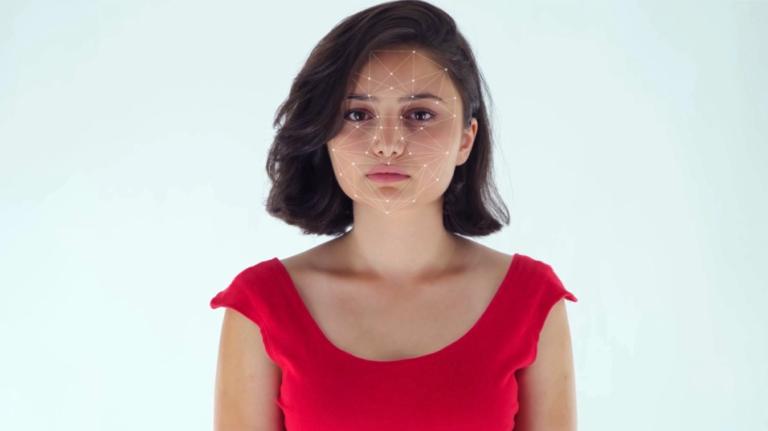
CypherFace, a U.S.-based fintech company founded by Samir Hassan, built something different: a facial recognition API that stops fraud before money moves. The company’s system scans faces in real time, matching them against encrypted biometric records at the exact moment someone tries to complete a purchase. If the face doesn’t match, the transaction dies.
Within 45 days of deployment, one e-commerce payment processor flagged over 1,200 fraudulent transactions that had sailed past traditional security checks. Chargebacks dropped 62 percent.
The Verification Window That Closes Before Theft Happens
Most fraud detection works like an autopsy. Someone steals a credit card, makes purchases, and algorithms catch the pattern days later. Merchants eat the chargeback fees. Customers file disputes. The damage spreads.
Hassan’s team reversed the timeline. “Authentication must occur before a transaction,” Hassan said. CypherFace places facial verification directly into the checkout flow, requiring users to prove their physical presence through liveness detection before any payment clears. The system analyzes depth, movement, and biometric markers to confirm that a living person stands behind the screen.
Synthetic identity fraud grew 130 percent year-over-year, fueled by deepfakes and stolen KYC records. Traditional verification methods check documents and credit histories, but those credentials can be bought, forged, or manipulated. Faces tied to real-time liveness checks cannot.
Encrypted Scans Replace Password Archeology
The average person juggles 70 to 100 passwords. They forget them, recycle them, and hand them over to phishing schemes disguised as password reset emails. CypherFace replaces that entire infrastructure with a single 2-second scan.
Each facial capture is converted into an encrypted, irreversible hash stored internally. No raw biometric data leaves the platform. Merchants never see the actual face—just a pass-or-fail signal. The system complies with KYC and AML regulations while keeping user data protected by multiple layers of encryption.
Hassan started the company in early 2024 after years spent watching enterprises struggle with broken authentication systems. Forgotten passwords triggered helpdesk avalanches. SMS codes arrived late or got intercepted through SIM swaps. Multi-factor authentication added security but drove customers away during checkout.
Fraud That Learns Meets Detection That Adapts
Criminals deploy bots that learn from failed attempts, refining attacks until they slip through. CypherFace’s liveness detection uses machine learning models trained on millions of fraud attempts to identify spoofing techniques as they emerge. The system updates continuously, adapting to new threats without requiring merchants to reconfigure their integrations.
The company ships its API to businesses across e-commerce, banking, and high-risk transaction environments. Deployment requires no specialized hardware—just a smartphone camera and an internet connection. CypherFace launched its production platform within one year of development and now operates throughout North America, with expansions planned for Canada and Mexico in 2026.
“Fraud presents a global challenge, so we engineered CypherFace to provide a globally viable solution,” Hassan said. The company’s API integrates into existing payment infrastructure, turning standard checkout pages into biometric verification gates. Merchants report fewer chargebacks, cleaner transaction records, and higher customer trust scores.
Stolen credentials flood dark web markets daily. Passwords leak from breached databases. Credit card numbers circulate through Telegram channels. CypherFace bets that the one thing criminals can’t fake consistently is the face staring into the camera at the moment of purchase.