

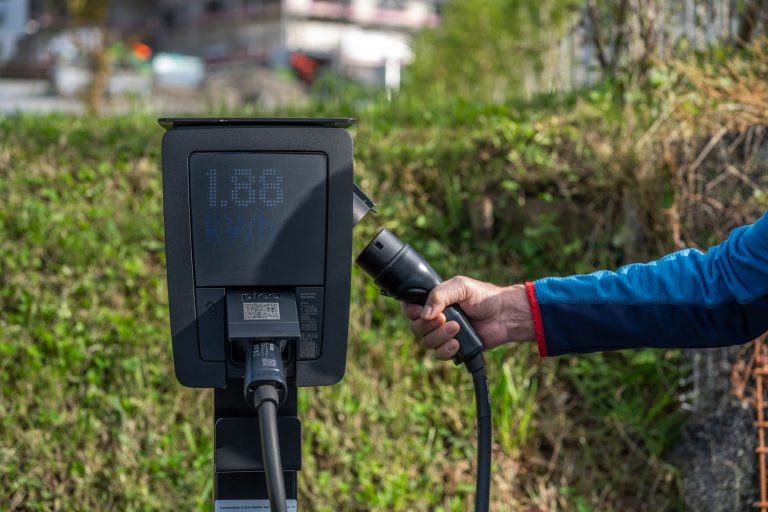
Electrify America has unveiled its latest generation of electric vehicle (EV) charging infrastructure in Santa Barbara, California, marking a significant evolution in public fast charging. This new hub, located at the former Greyhound Bus depot, features 20 hyper-fast chargers capable of delivering up to 350 kilowatts (kW) and is uniquely supported by a substantial 1.9-megawatt (MW) battery energy storage system (BESS). This BESS represents the largest public deployment of its kind by Electrify America to date, signaling a strategic shift towards more resilient and efficient charging solutions.
The integration of large-scale battery storage is a critical development for the future of EV charging infrastructure. Rob Barrosa, President and CEO of Electrify America, emphasized that this combination of high-power charging with integrated BESS is “the next evolution of charging infrastructure.” This approach allows for the deployment of hyper-fast charging in locations that might otherwise face grid limitations or high demand charges. The BESS can draw energy from the grid during off-peak hours when demand and costs are lower, then discharge it to support charging during peak times, effectively expanding capacity and reducing strain on the local power grid. This technology also facilitates quicker or smaller grid connections for new sites and optimizes charging patterns based on price signals or ancillary service markets, contributing to overall cost reduction and operational efficiency.
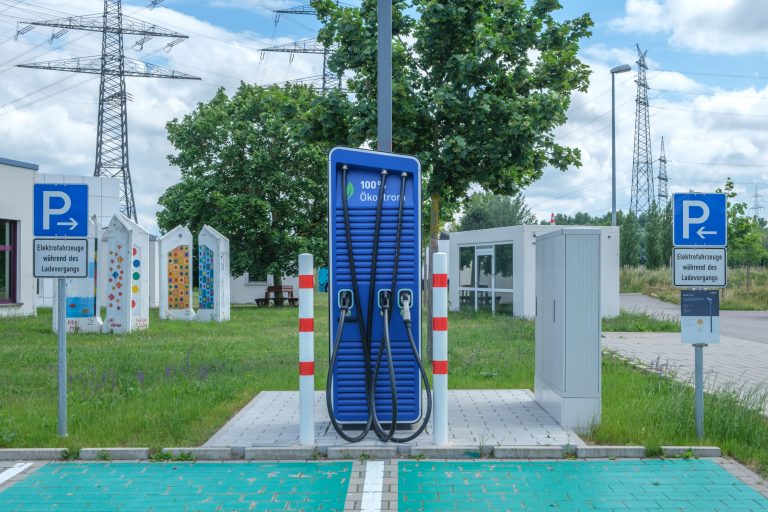
This Santa Barbara location is Electrify America’s second in the city and one of four “large-format” stations in California, which are defined by having 20 or more chargers. The company’s strategy behind these larger hubs is to significantly reduce wait times for EV drivers, ensuring quicker turnaround and a more seamless charging experience. Such expansions are crucial as global investment fuels EV charging infrastructure expansion, aiming to meet growing demand and driver expectations. The company currently operates over 1,100 DC fast charging stations with more than 5,700 individual fast-charging ports across 47 states and the District of Columbia, solidifying its position as a major player in the U.S. fast-charging network.
Adapting to Evolving Connector Standards
The new Santa Barbara station initially features CCS (Combined Charging System) connectors, which remain a global standard for EVs. However, Electrify America plans to retrofit some of these stalls with NACS (North American Charging Standard) connectors over the summer. This initiative is part of an ongoing pilot project to assess the value of offering both connector types, acknowledging the increasing adoption of NACS-equipped vehicles, particularly those from Tesla, Rivian, and Cadillac. This adaptability is vital for ensuring universal access and convenience for all EV drivers, reflecting feedback often seen in an EV wish list regarding charging accessibility.
The broader trend of integrating BESS with EV charging infrastructure is gaining momentum globally. A report from market intelligence firm BloombergNEF indicates that the capacity of BESS paired with EV charging in key markets like China, France, the US, and the UK has already reached nearly 1 gigawatt-hour (GWh). China alone is projected to deploy over 10 GWh more, underscoring the worldwide recognition of BESS as a critical component for scalable and sustainable EV charging. This technological synergy helps mitigate grid challenges posed by the rapid electrification of transportation, contributing to smart city initiatives and integrated mobility futures, as explored in events like the Seoul Exhibition Spotlights Integrated Mobility and Smart City Futures.
Electrify America’s advancements, stemming from measures agreed upon with U.S. officials to promote EV use following the Volkswagen emissions scandal, continue to shape the landscape of electric mobility. By deploying large-format stations with integrated battery storage, the company is not only addressing the immediate need for faster and more reliable charging but also laying the groundwork for a more robust and resilient energy infrastructure for electric vehicles nationwide. Such innovations are essential for supporting the widespread adoption of EVs and achieving future transportation goals.
Supporting External References:
- U.S. Department of Energy Invests $2.9 Billion in Electric Vehicle Charging and Grid
- NACS and CCS Explained: What’s the Difference and Why it Matters for EVs
- How battery storage can help EV charging stations boost grid resilience, manage demand charges


