

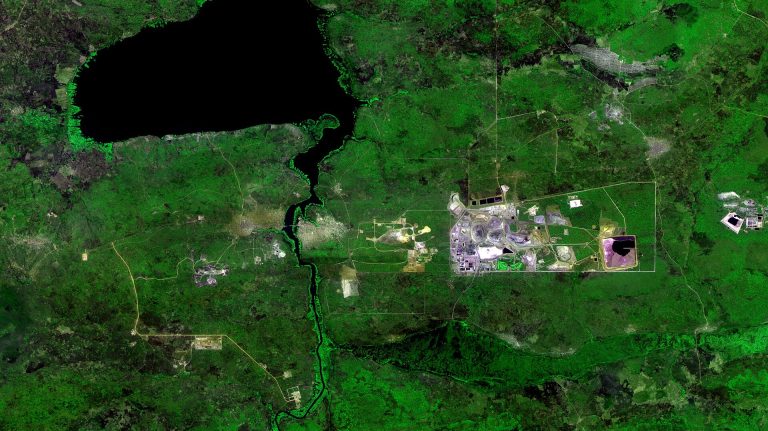
A lawsuit in Congo is putting the human cost of the electric vehicle boom before a court, as 27 Kolwezi residents accuse a mining company and the government of exposing communities to pollution. The case, which began Nov. 3, seeks compensation for health problems and money to restore the environment.
The residents live near the COMMUS copper and cobalt mine on the outskirts of Kolwezi. One mother told NPR she believes pollution from the mine contributed to her family’s suffering. She said she lost three children, two at birth and one after repeated nosebleeds. One of her two surviving children has stunted growth. She asked not to be identified, citing fear of retribution.
The claimants describe contaminated water, nosebleeds, skin rashes, miscarriages and birth defects, which they blame on mining pollution. They accuse the government of failing to enforce environmental rules. Their lawyers say they worry residents could face pressure or intimidation to withdraw testimony. The company, Zijin, owns COMMUS.
Electric Vehicle Boom Brings Scrutiny to Kolwezi
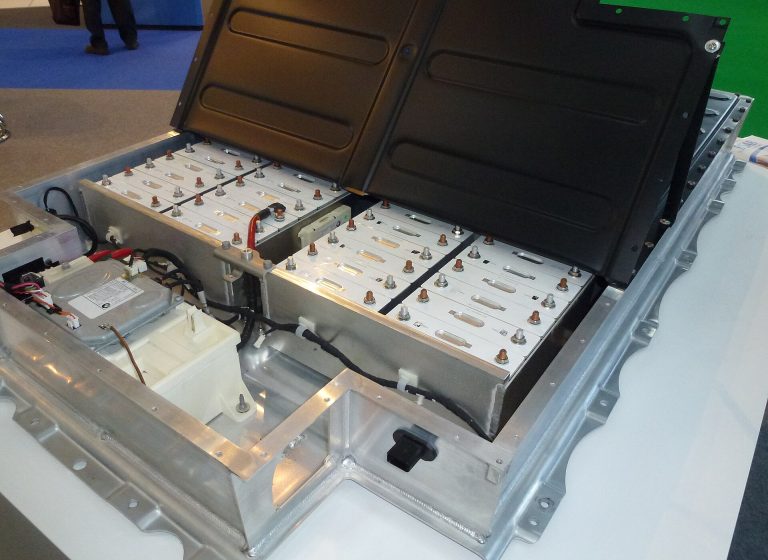
Congo supplies over 70% of the world’s cobalt, a metal used in rechargeable batteries and critical to the electric-vehicle revolution. It is also the world’s second-largest copper producer. Last year, the U.S. signed a partnership with Congo to attract American investment and challenge Chinese companies’ dominance in mining.
Despite the minerals’ global importance, pollution from the industry has received comparatively little scrutiny, NPR reported. In neighborhoods near mines, residents describe an acrid smell they attribute to sulfuric acid used to process minerals. The NPR report on the lawsuit details both residents’ allegations and a study of air and dust in the city.
A study published in June by Source International, with RAID, Afrewatch and scientists from Congo’s University of Lubumbashi, measured fine particulate matter known as PM2.5 at levels three to six times the World Health Organization’s air quality guideline. Researchers recorded the highest concentrations near COMMUS. Dust samples contained copper, cobalt and manganese residue, which the researchers said pointed to mining waste as the main source.
The study did not examine health effects directly. Its authors recommended formal epidemiological research. Source International executive director Flaviano Bianchini called the air-quality findings among the most concerning the organization had documented in years of monitoring industrial mining sites. Researchers also said the particles can enter the lungs and bloodstream, with exposure posing particular risks to pregnant women and young children.
Residents Describe Health Concerns as Case Proceeds
Nurse Héritier Bukassa said people near mine waste routinely develop itchy hives, and some scratch themselves with knives. He said women suffer miscarriages and he referred four babies with congenital malformations, mostly cleft palates, to hospitals this year.
Respiratory illnesses are common too, Bukassa said, including breathing problems in otherwise healthy babies that develop weeks after birth. He said no one from the mining company had come to speak with the community. Zijin and Congo’s mining and environment ministries did not respond to NPR’s emailed requests for comment.
The Cobalt Institute said understanding pollution requires an evidence-based approach that considers potential sources and contributors. It added that companies conduct environmental monitoring and mitigation. RAID, which supports the plaintiffs with Afrewatch, called the lawsuit one of the most ambitious legal challenges by Congolese residents over industrial mining pollution. It said the case could encourage challenges involving other mines.
The residents seek $1.3 million for health problems and medical expenses, plus $5 million to restore the environment. Those amounts and the allegations remain claims in a case that is proceeding in court. The mother said she was not afraid of pressure. “We have a right to a clean environment,” she told NPR, “and to health.”
RAID says the case could encourage challenges involving other mines. Transit Tomorrow has covered how policy changes affected the electric vehicle market.
Transit Tomorrow has also discussed EV infrastructure proposals and Mexico’s EV market, related coverage of electric mobility.


